
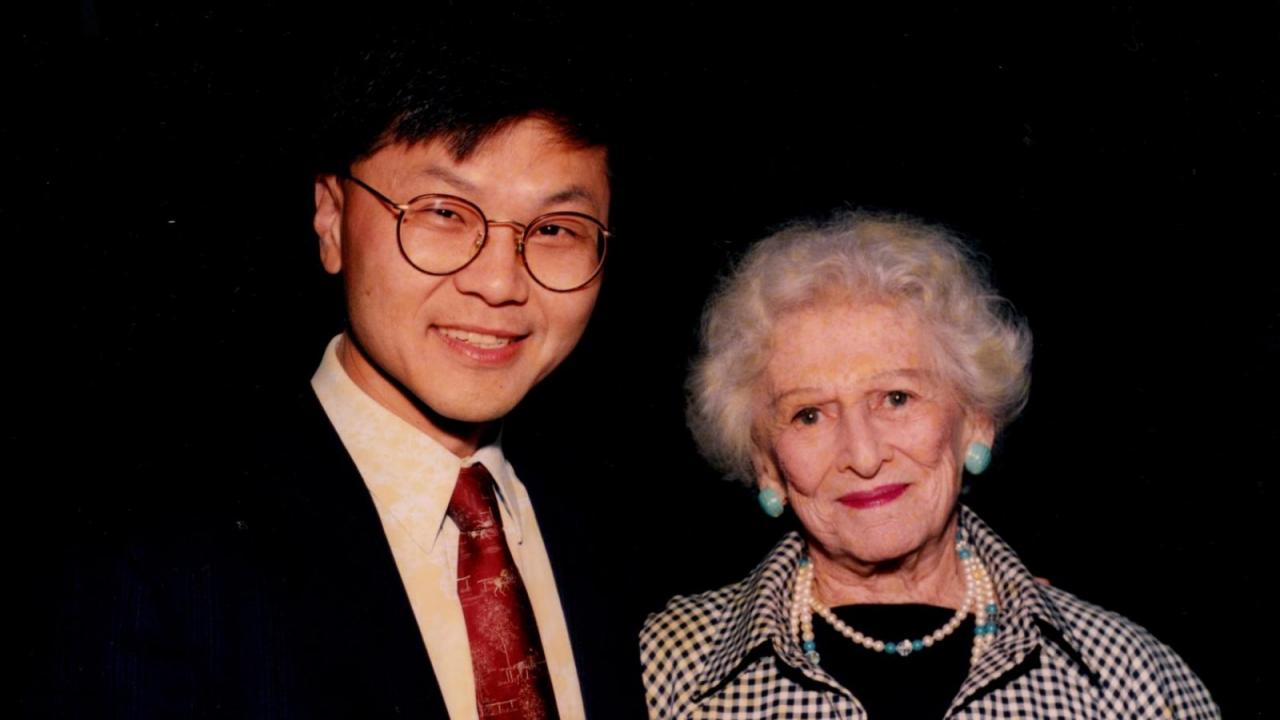
Our research goal has been primarily directed toward understanding the molecular basis for HIV-1 infection of non-dividing cells. Lentiviruses, such as HIV-1, replicate independently of cell cycle progression of target cells and this property is unusual among retroviruses, which require cell division for efficient replication. This unique ability of HIV-1 to replicate in non-dividing cells allows the virus to infect resting CD4+ T cells and terminally differentiated macrophages, the two cell types believed to play critical roles in transmission, persistence and pathogenesis of HIV-1. We previously determined that the capsid protein of the virus is the dominant viral factor responsible for infection of non-dividing cells. Current work in our laboratory focuses on understanding how the capsid protein mediates the early steps of the viral life cycle to promote HIV-1 infection of non-dividing cells.
HIV-1 exploits a variety of cellular pathways to establish productive infection of target cells. Recent genome-wide screens have uncovered a large number of cellular factors that affect HIV-1 replication. Among those are positive factors potentially involved in the early steps of the viral life cycle such as TNPO3, which appears to be regulated by the capsid protein of HIV-1. Currently, our group is interested in learning how capsid utilizes cellular molecules to facilitate uncoating, nuclear transport and integration in non-dividing cells. Ultimately, we hope to understand how the difference in cellular pathways utilized by retroviruses can result in diverse disease outcomes from cancer to AIDS.
Despite the presence of cellular factors that positively regulate the viral life cycle, the host environment is not always friendly to viral replication. After repeated times of arms-races with ancient viruses, host cells are equipped with cellular factors that restrict the spread of retroviruses. In order to efficiently replicate in humans, HIV-1 has evolved mechanisms to evade or counteract host restriction factors that can target incoming viral capsid. We are currently working to delineate the molecular details and mechanisms of HIV-1 evasion from the capsid-dependent defense system. Our hypothesis is that this evasion is indispensable not only for HIV-1 adaptation after cross-species transmission but also for retention of its ability to infect non-dividing cells.
Our primary goal is to elucidate molecular mechanism that enables HIV-1 to infect non-dividing cells, such as resting CD4+ T cells and macrophages. This property, which is unique to HIV-1 and related lentiviruses but not other retroviruses, is central to HIV transmission, persistence and pathogenesis. Recent work points to viral capsid protein as the long sought determinant that provides HIV-1 with the ability to establish productive infection in non-dividing cells. We are currently studying cellular factors that regulate capsid-mediated early events to learn how capsid promotes HIV-1 infection of non-dividing cells. In order to efficiently infect host cells, HIV-1 has to achieve some balance between two opposing types of cellular factors that either promote or thwart viral replication. We seek to identify a way to tip this balance in favor of cellular factors that attenuate HIV-1, which may be a useful knowledge for developing new therapeutic strategies targeting HIV-1 capsid.
NAME: Masahiro Yamashita
POSITION TITLE: Assistant Professor
EDUCATION
| 1992 |
B.S. Biology Kobe University, Kobe, Japan |
| 1998 |
Ph.D. Human and Environmental Studies Kyoto University, Kyoto, Japan |
RESEARCH AND PROFESSIONAL EXPERIENCE
| 1993-1998 |
Graduate Student, Kyoto University, Japan |
| 1998-2000 |
Postdoctoral Fellow, Institute for Virus Research, Kyoto University, Japan |
| 2000-2001 |
Instructor, Institute for Virus Research, Kyoto University, Japan |
| 2001-2007 |
Postdoctoral Research Associate, Fred Hutchinson Cancer Research Center, Seattle, WA. Advisor: Dr. Michael Emerman |
| 2007-2009 |
Staff Scientist, Fred Hutchinson Cancer Research Center, Seattle, WA.
|
| 2009-2010 |
ADARC Scholar, Aaron Diamond AIDS Research Center, New York, NY
|
| 2010 |
Assistant Professor, Aaron Diamond AIDS Research Center, New York, NY
|
PUBLICATIONS (SELECTED)
- Yamashita M., Emerman M. Cellular restriction targeting viral capsids perturbs human immunodeficiency virus type 1 infection of nondividing cells. J Virol. 2009 Oct;83(19):9835-43.
- Yamashita M., Perez O, Hope TJ, and Emerman M. 2007 Evidence for Direct Involvement of the Capsid Protein in HIV Infection of Nondividing Cells. PLoS Pathog. 3(10):e156
- Lewinski MK,Yamashita M., Emerman M, Ciuffi A, Marshall H, Crawford G, Collins F, Shinn P, Leipzig J, Hannenhalli S, Berry CC, Ecker JR, and Bushman FD. 2006 Retroviral DNA integration: viral and cellular determinants of target-site selection. PLoS Pathog. 2(6):e60.
- Yamashita M. and Emerman M. 2006. Retroviral infection of non-dividing cells: old and new perspectives. Virology 344: 88-93.
- Yamashita M. and Emerman M. 2005. The cell cycle independence of HIV infections is not determined by known karyophilic viral elements. PLoS Pathog. 1: e18.
- Yamashita M. and Emerman M. 2004. Capsid is a dominant determinant of retrovirus infectivity in nondividing cells. J Virol. 78: 5670-8.
- Dvorin JD, Bell P, Maul GG, Yamashita M., EEmerman M and Malim MH. 2002. Reassessment of the roles of integrase and the central DNA flap in human immunodeficiency virus type 1 nuclear import. J Virol 76:12087-96.
- Takemura T, Yamashita M., Shimada MK, Ohkura S, Shotake T, Ikeda M, Miura T and Hayami M. 2002. High prevalence of simian T-lymphotropic virus type L in wild Ethiopian baboons. J Virol 76:1642-1648.
- Yamashita M., Ishida T, Ohkura S, Miura T and Hayami M. 2001. Phylogenetic characterization of a new HTLV type I from the Ainu in Japan. AIDS Res Hum Retroviruses 17:783-787.
- Yamashita M., Veronesi R, Menna-Barreto M, Harrington WJ Jr, Sampio C, Brites C, Badaro R, Andrade-Filho AS, Okhura S, Igarashi T, Takehisa J, Miura T, Chamone D, Bianchini O, Jardim C, Sonoda S and Hayami M. 1999. Molecular epidemiology of HTLV-I in Brazil: the predominant HTLV-Is in South America differ from HTLV-Is of Japan and Africa as well as those of Japanese immigrants and their relatives in Brazil. Virology 261:59-69.
- Yamashita M., Picchio G, Veronesi R, Ohkura S, Bare P and Hayami M. 1998. HTLV-Is in Argentina are phylogenetically similar to those of other South American countries, but different from HTLV-Is in Africa. J Med Virol 55:152-160.
- Yamashita M., Miura T, Ibuki K, Takehisa J, Chen J, Ido E and Hayami M. 1997. Phylogenetic relationships of HTLV-I/STLV-I in the world. Leukemia 11:50-51.
- Yamashita M., Ido E, Miura T and Hayami M. 1996. Molecular epidemiology of HTLV-I in the world. J Acquir Immune Defic Syndr Hum Retrovirol 13 (Suppl 1):S124-S131.
- Yamashita M., Senyuta N, Pavlish O, Miura T, Syrtsev A, Stepina V, Ibuki K, Susova O, Schrbak L, Schatzl H, Shih J, Yakovleva L, Weber J, Gessain A, de ThŽ G, Hayami M and Gurtsevitch V. 1995. Prevalence and phylogenetic characterization of HTLV-I isolates from Far Eastern Russia. Mol Biol 29:1172-1182.
- Yamashita M., Achiron A, Miura T, Takehisa J, Ido E, Igarashi T, Ibuki K, Osame M, Sonoda S, Melamed E, Hayami M and Shohat B. 1995. HTLV-I from Iranian Mashhadi Jews in Israel is phylogenetically related to that of Japan, India, and South America rather than to that of Africa and Melanesia. Virus Genes 10:85-90.
- Yamashita M., Takehisa J, Miura T, Ido E, Becker WB, Robson BA, Becker ML and Hayami M. 1995. Presence of the widespread subtype of HTLV-I in South Africa. AIDS Res Hum Retroviruses 11:645-647
- Yamashita M., EKitze B, Miura T, Weber T, Fujiyoshi T, Takehisa J, Chen JL, Sonoda S and Hayami M. 1995. The phylogenetic relationship of HTLV-I from non-Mashhadi Iranians to that from Mashhadi Jews. AIDS Res Hum Retroviruses 11:1533-1535.
- Yamashita M., Emerman M. Cellular restriction targeting viral capsids perturbs human immunodeficiency virus type 1 infection of nondividing cells. J Virol. 2009 Oct;83(19):9835-43. [view]
- Yamashita M., Perez O, Hope TJ, and Emerman M. 2007 Evidence for Direct Involvement of the Capsid Protein in HIV Infection of Nondividing Cells. PLoS Pathog. 3(10):e156
- Lewinski MK,Yamashita M., Emerman M, Ciuffi A, Marshall H, Crawford G, Collins F, Shinn P, Leipzig J, Hannenhalli S, Berry CC, Ecker JR, and Bushman FD. 2006 Retroviral DNA integration: viral and cellular determinants of target-site selection. PLoS Pathog. 2(6):e60.
- Yamashita M. and Emerman M. 2006. Retroviral infection of non-dividing cells: old and new perspectives. Virology 344: 88-93.
- Yamashita M. and Emerman M. 2005. The cell cycle independence of HIV infections is not determined by known karyophilic viral elements. PLoS Pathog. 1: e18.
- Yamashita M. and Emerman M. 2004. Capsid is a dominant determinant of retrovirus infectivity in nondividing cells. J Virol. 78: 5670-8.
- Dvorin JD, Bell P, Maul GG, Yamashita M., EEmerman M and Malim MH. 2002. Reassessment of the roles of integrase and the central DNA flap in human immunodeficiency virus type 1 nuclear import. J Virol 76:12087-96.
- Takemura T, Yamashita M., Shimada MK, Ohkura S, Shotake T, Ikeda M, Miura T and Hayami M. 2002. High prevalence of simian T-lymphotropic virus type L in wild Ethiopian baboons. J Virol 76:1642-1648.
- Yamashita M., Ishida T, Ohkura S, Miura T and Hayami M. 2001. Phylogenetic characterization of a new HTLV type I from the Ainu in Japan. AIDS Res Hum Retroviruses 17:783-787.
- Yamashita M., Veronesi R, Menna-Barreto M, Harrington WJ Jr, Sampio C, Brites C, Badaro R, Andrade-Filho AS, Okhura S, Igarashi T, Takehisa J, Miura T, Chamone D, Bianchini O, Jardim C, Sonoda S and Hayami M. 1999. Molecular epidemiology of HTLV-I in Brazil: the predominant HTLV-Is in South America differ from HTLV-Is of Japan and Africa as well as those of Japanese immigrants and their relatives in Brazil. Virology 261:59-69.
- Yamashita M., Picchio G, Veronesi R, Ohkura S, Bare P and Hayami M. 1998. HTLV-Is in Argentina are phylogenetically similar to those of other South American countries, but different from HTLV-Is in Africa. J Med Virol 55:152-160.
- Yamashita M., Miura T, Ibuki K, Takehisa J, Chen J, Ido E and Hayami M. 1997. Phylogenetic relationships of HTLV-I/STLV-I in the world. Leukemia 11:50-51.
- Yamashita M., Ido E, Miura T and Hayami M. 1996. Molecular epidemiology of HTLV-I in the world. J Acquir Immune Defic Syndr Hum Retrovirol 13 (Suppl 1):S124-S131.
- Yamashita M., Senyuta N, Pavlish O, Miura T, Syrtsev A, Stepina V, Ibuki K, Susova O, Schrbak L, Schatzl H, Shih J, Yakovleva L, Weber J, Gessain A, de ThŽ G, Hayami M and Gurtsevitch V. 1995. Prevalence and phylogenetic characterization of HTLV-I isolates from Far Eastern Russia. Mol Biol 29:1172-1182.
- Yamashita M., Achiron A, Miura T, Takehisa J, Ido E, Igarashi T, Ibuki K, Osame M, Sonoda S, Melamed E, Hayami M and Shohat B. 1995. HTLV-I from Iranian Mashhadi Jews in Israel is phylogenetically related to that of Japan, India, and South America rather than to that of Africa and Melanesia. Virus Genes 10:85-90.
- Yamashita M., Takehisa J, Miura T, Ido E, Becker WB, Robson BA, Becker ML and Hayami M. 1995. Presence of the widespread subtype of HTLV-I in South Africa. AIDS Res Hum Retroviruses 11:645-647
- Yamashita M., EKitze B, Miura T, Weber T, Fujiyoshi T, Takehisa J, Chen JL, Sonoda S and Hayami M. 1995. The phylogenetic relationship of HTLV-I from non-Mashhadi Iranians to that from Mashhadi Jews. AIDS Res Hum Retroviruses 11:1533-1535.
| Masahiro Yamashita |
Assistant Professor |
| Brittany Dubose |
Research Technician |
| Matthew Henning |
Post Doc |